
Monday 5th of August 2024
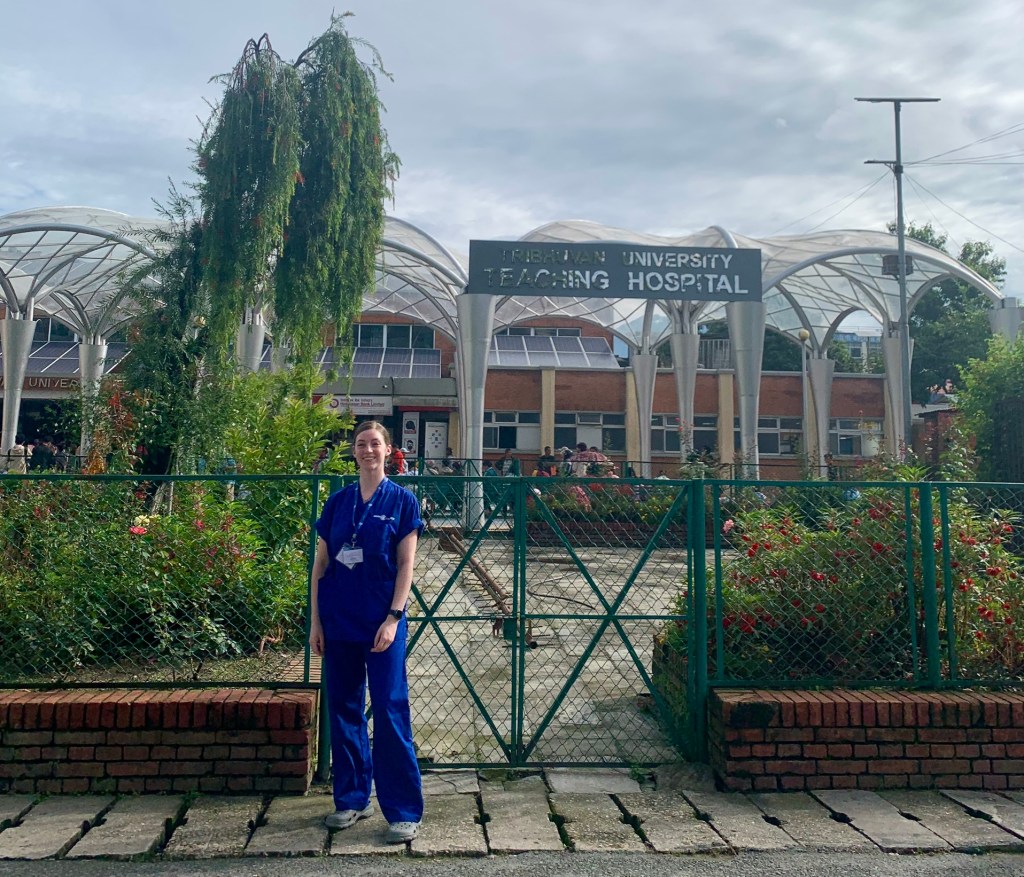
My village week in the district of Nuwakot, a three-hour journey from Kathmandu, was an extraordinary experience that I wholeheartedly recommend to anyone considering undertaking the village healthcare experience in Nepal. The opportunity to witness and participate in village healthcare provided invaluable insights into the challenges and practices of rural medicine.
Days in the Health Outpost
Each day, we would walk to the health outpost by around 10:00 AM to see the patients who came through the door. Most visitors sought routine checks, such as blood pressure or weight measurements. We used an automatic blood pressure cuff but verified any abnormal readings manually to ensure accuracy.
We encountered a variety of cases, including pediatric patients with skin conditions like rashes and blisters. One case of impetigo was new to me and provided a learning opportunity about managing such infections in a resource-limited setting. We performed dressing changes on minor injuries, though the techniques differed from what I was accustomed to. In contrast to the comprehensive bandaging practices at home, where we might bandage from toe to knee for even pressure and circulation, here we focused on the affected area only due to limited materials.
A notable case involved a patient with a deep cut on his fingertip from working in the fields. I assisted a second-year medical student in changing the dressing under the supervision of a nurse. The wound had been roughly sutured, and the bandages were stuck with dried blood. We carefully cleaned the wound with betadine, re-dressed it with gauze and bandages, and instructed the patient to return the following day for a fresh bandage.
Resource Limitations and Rural Maternity Care
The health outpost faced significant supply issues, exacerbated by recent heavy rainfall. Stock shortages meant that we frequently had to send patients to a distant pharmacy for necessary medications, particularly for those on antihypertensives.
Samir, our guide for the week, provided insight into rural maternity care. He explained how women giving birth at home receive education and government-issued kits containing sterile equipment. Volunteer midwives in the community, trained to assist with home births, play a crucial role in supporting women and identifying signs of distress or emergencies for both mother and baby.
Life Beyond the Health Outpost
When patient visits dwindled around 2:00 PM, we would return to our accommodation to rest and enjoy meals together. The afternoons and evenings were filled with activities such as hiking to suspension bridges, exploring the village temple, visiting a bat cave, cooking lessons, and relaxing by the nearby river. We immersed ourselves in village life, learning about buffalo farming, livestock, and the seasonal harvests of rice, wheat, and corn. Evenings were spent playing cards and sharing laughter, enjoying the serenity of the river and hills away from the busy atmosphere of Kathmandu.
On Friday evening, we were honored with a visit from the district Shaman. Samir explained that many villagers consult a Shaman before seeking conventional medical advice, reflecting the importance of spiritual and traditional medicine in their culture. The Shaman blessed us, our host family, their home, and the community, adding a unique and meaningful cultural dimension to our experience.
Reflections and Gratitude
As I packed my bags to return to Kathmandu, I reflected on the profound impact of my time in the village. The combination of good food, laughter, and the warmth of the local people had a healing effect on me beyond my expectations. I left with a deep sense of gratitude for Nepal and its people, vowing to return one day to express my thanks for their incredible kindness and generosity.




Leave a Reply