Tuesday 2nd of July 2024
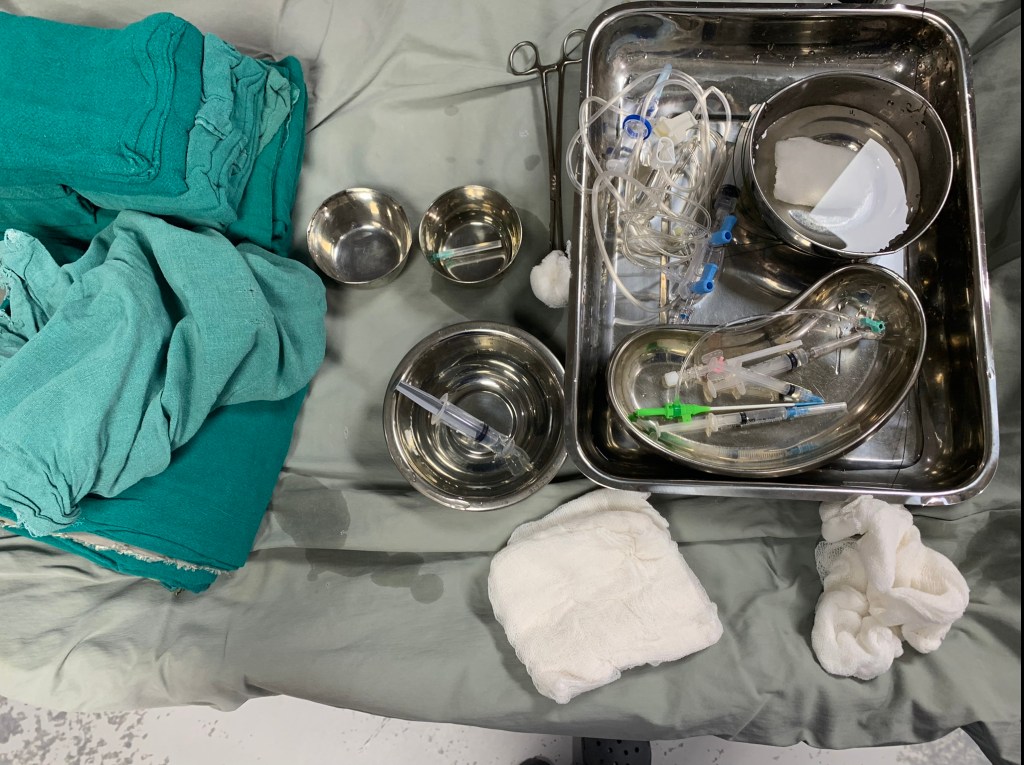
My week in the Cath Lab was an immersive experience into the world of cardiovascular medicine. Each day began with meticulous preparation, ensuring that everything was set up aseptically for the day’s cases. This involved unwrapping pre-prepared kits containing the necessary tools and trays. Our routine typically started with coronary angiograms, which required setting up trays with saline, GTN, heparin, and syringes filled with more heparin and local anesthetic. To avoid confusion, the syringes with heparin were marked with bent needles.
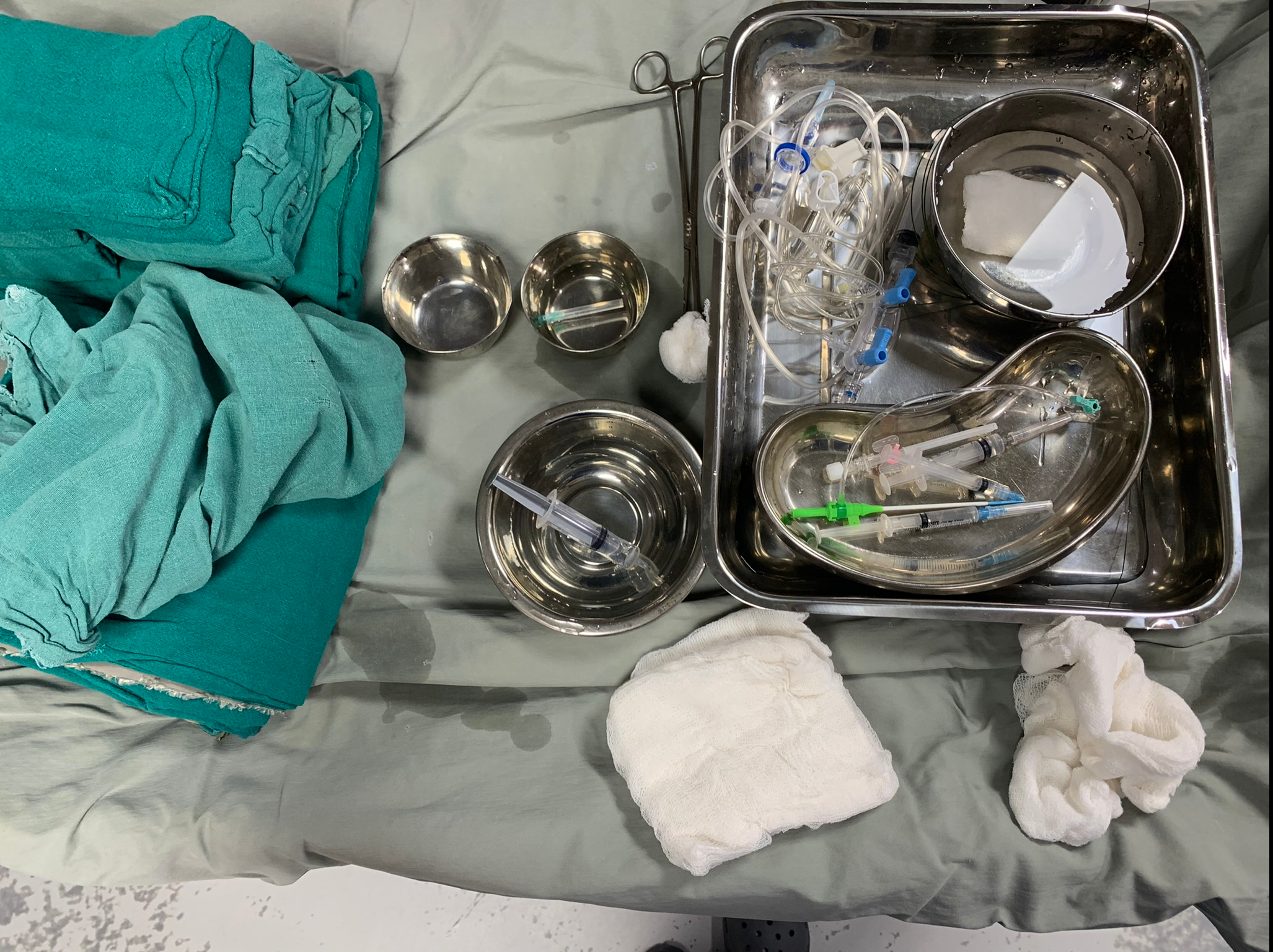
Since our facility had two Cath Labs, we split our supplies between the rooms and staggered the procedures. This allowed one room to be cleaned and reset while the other was in use. After the rooms and equipment was prepared we would review the procedure list for the day. Each list included essential patient details, past medical history, and specifics of the day’s procedures, including imaging and diagnostics or more invasive treatments like angioplasties and device implantation.
An Emergency Case
On my first day, we were called to handle an emergency case from the Emergency Department (ED). We conducted an angiogram and discovered extensive triple-vessel disease, with lesions in all coronary arteries vividly highlighted on the screen. A stent was placed as a short-term solution, but the patient required further intervention. After stabilizing, the patient was moved to recovery, where the consultant discussed the need for coronary artery bypass grafting (CABG) surgery and its associated costs.
A Lesson in ICDs
Another shift began with reviewing the day’s planned procedures, followed by a lesson from one of the consultants on Implantable Cardioverter Defibrillators (ICDs). The focus was on implantation routes and managing shockable rhythms. During an ICD implantation, our patient experienced several episodes of ventricular fibrillation (VF), necessitating cardioversion to restore sinus rhythm. This occurred three times before the patient stabilized. Despite the room being crowded with approximately 16 individuals, I focused on keeping out of the way, observing the procedure and watching the patient’s ECG trace.
Post-Procedure and Reflection
After each procedure, patients were moved to the recovery area for monitoring and removal of compression bandages from radial or femoral artery puncture sites. Here they were rejoined by family and friends who would feed the patients and provide basic care, taking instructions and care continuation advice from the nurses.
Reflecting on my week in the Cath Lab, I am grateful for the opportunity to learn about cardiovascular pathophysiology, treatments, and procedures. Even though I was only observing, the experience was invaluable, deepening my understanding and appreciation of the complexities of cardiovascular care.



 Vaegin, Trust, an a peerie skaar o' Wanderlust
Leave a comment