
Monday 8th of July 2024
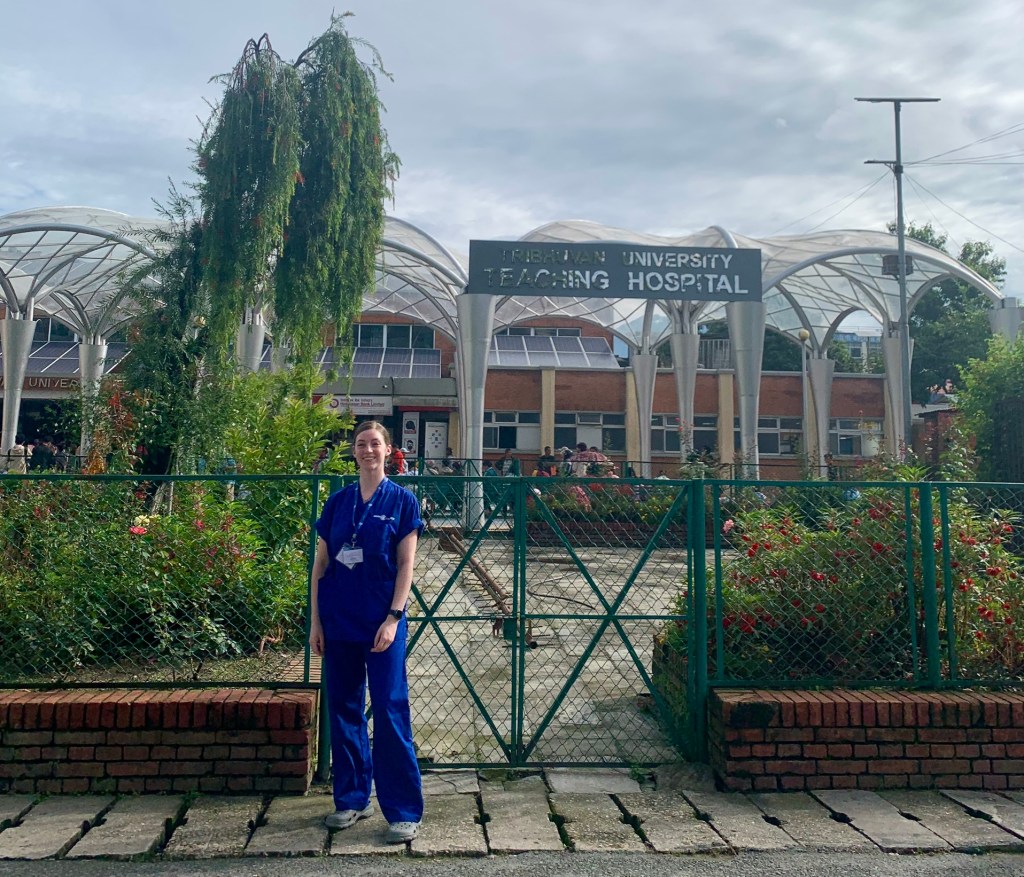
The contrast between the streamlined, efficient work of nurses in the Cath Labs of the new Manmohan hospital building and the sometimes ambiguous roles of nurses in orthopaedics, was striking. My experience at Tribhuvan University Teaching Hospital highlighted these differences, particularly where the nursing roles varied significantly between the High Dependency Unit (HDU) and the operating theatres.
Navigating Orthopaedics
My week in the orthopaedics department began with a warm welcome from Narbada, the nurse in charge, who gave me a comprehensive tour of the department. She introduced me to Runita, a nurse in the theatres, who would be my guide for the day. Runita took me through the pre-op and post-op recover room and explained the patient flow within the department.
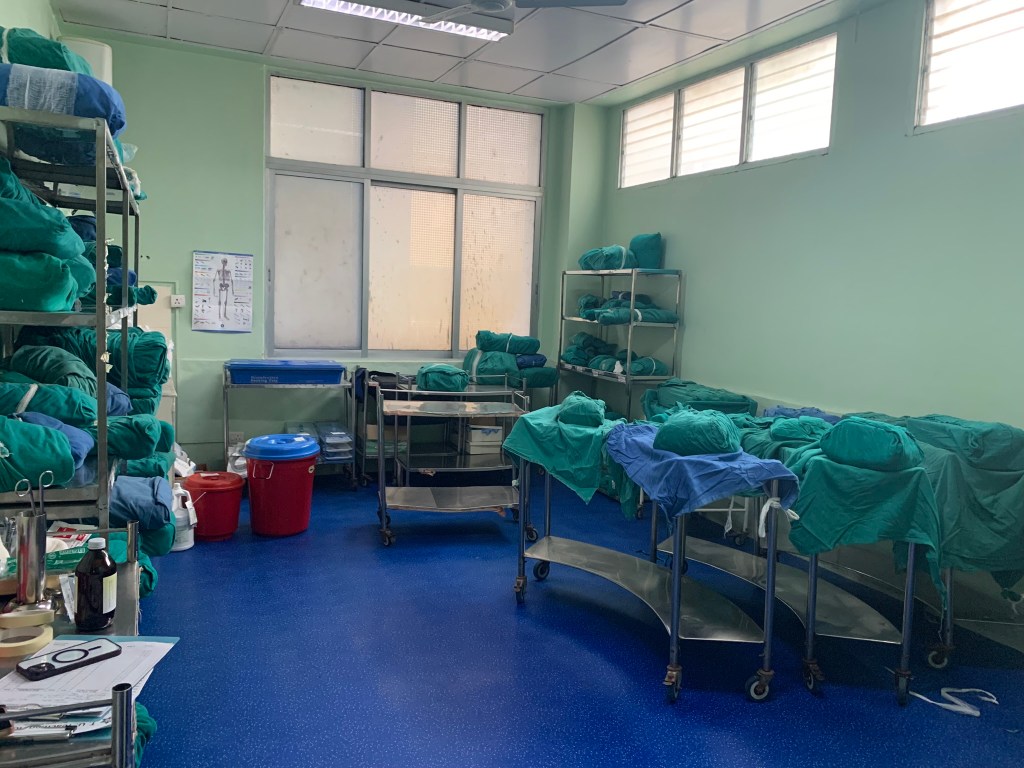
In the sterile room, Runita demostrated the preparation of trolleys with the day’s required equipment for the list of procedures. In operating room 2, we handled two cases my first afternoon: a femoral shaft fracture and a tibial shaft fracture. Both required closed reduction internal fixation with intermedullary interlocking nails (CRIF w/IMIL), a common approach for long bone shaft fractures.
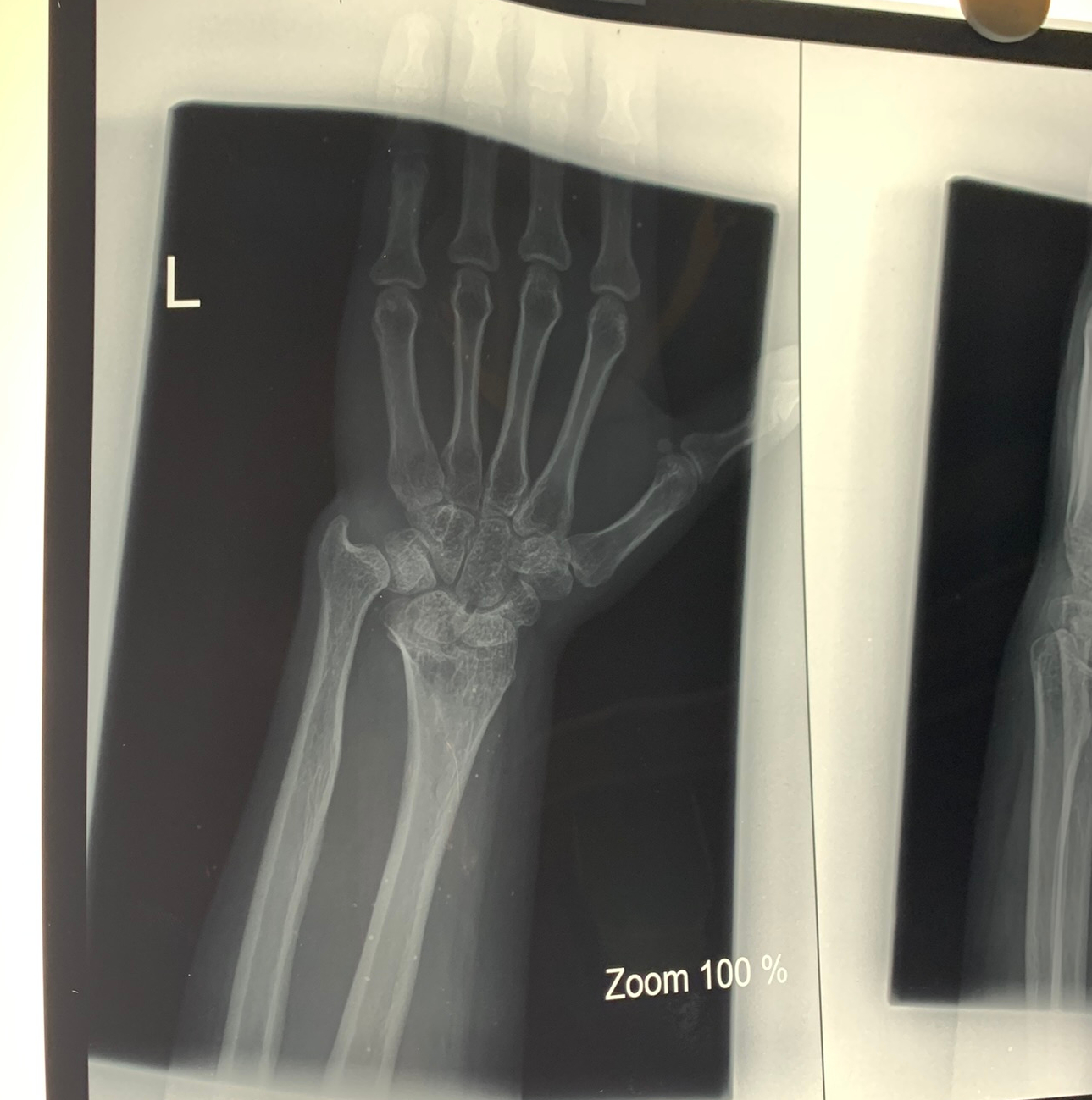
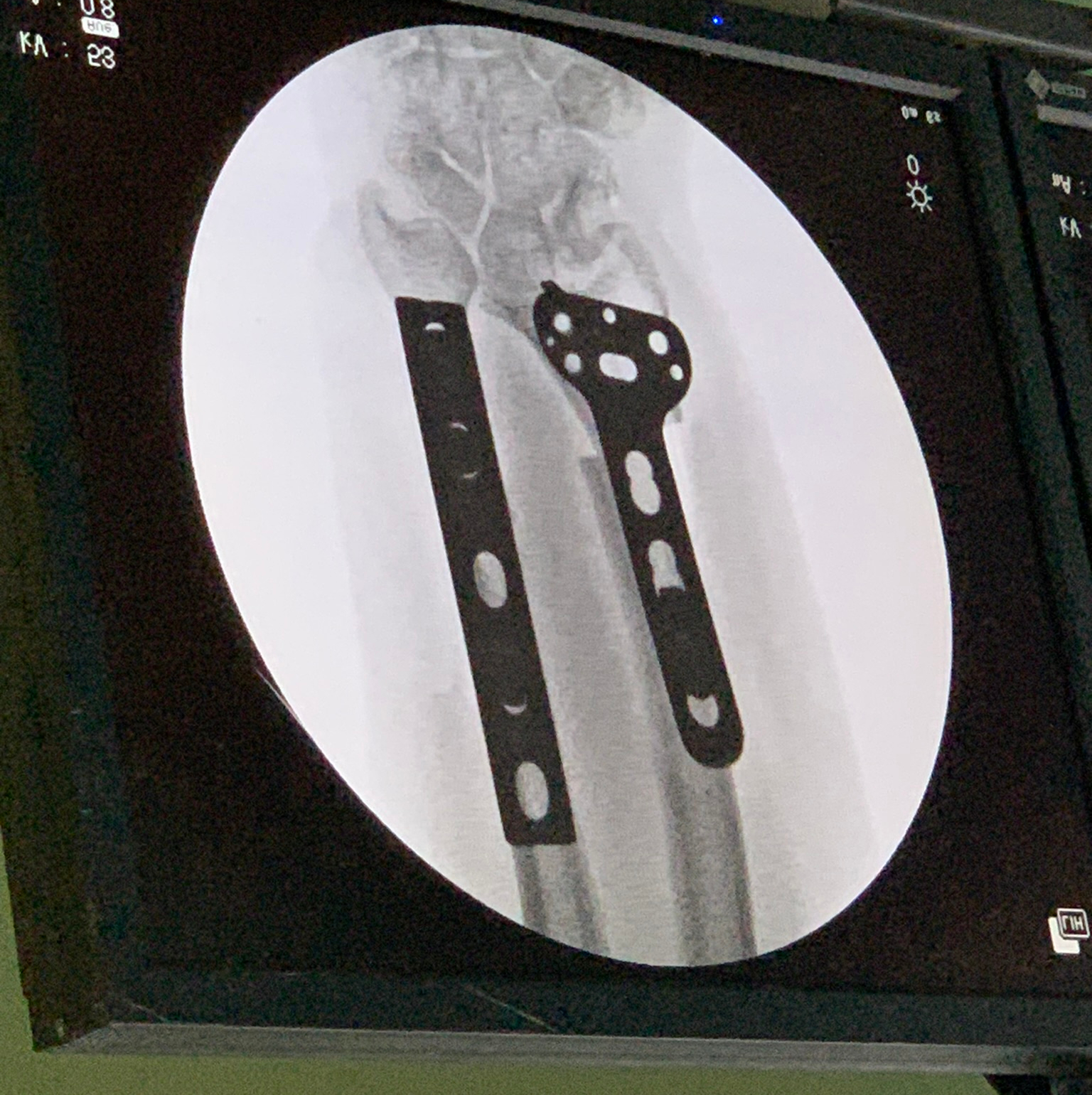
One particularly fascinating procedure involved a patient with Magelund’s deformity. This surgery required ulnar shortening, radial growth plate reshaping, shortening and fixation using plates and pins. The transformation from pre-op to post-op was profound, and witnessing the team’s precision was truly captivating.
A Typical Day
Throughout these procedures, I observed Runita prepping and scrubbing in, while I wore a lead apron for protection. The intensity of the surgeries was balanced by lovely tea and snack breaks with the team, which provided a chance to relax and recharge, building rapport.
Each day began with a handover in the recovery area, where we reviewed the day’s cases. I took advantage of quiet moments to research and jot down notes on anything new I encountered. My time in the theatres offered invaluable insights into musculoskeletal anatomy and the surgical management of mechanical injuries.
High Dependency Unit Insights
I spent two days in the 6-bedded HDU, shadowing nurses through various tasks including handovers, head-to-toe assessments, vital signs monitoring, and drug rounds. We maintained critical care nursing notes and facilitated family involvement in food and personal care. Despite being available to assist, families often preferred to manage care themselves.
The HDU also accommodated ENT patients, including those with tracheostomies who required suctioning. Notably, the approach to post-op dressings for orthopaedic patients differed from my experiences at home, with doctors performing wound care and dressing changes instead of nurses.
Reflections on the Experience
My time in the theatres was both educational and engaging, deepening my understanding of anatomy, physiology, and the surgical management of injuries. The variation in nursing roles across departments provided a rich learning experience and underscored the importance of adaptability and specialization within healthcare settings.



 Vaegin, Trust, an a peerie skaar o' Wanderlust
Leave a comment